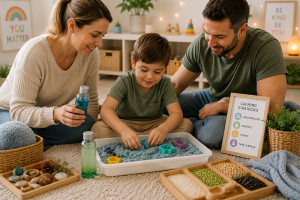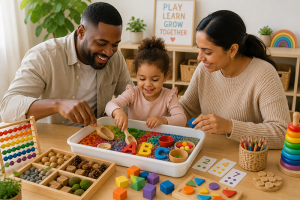
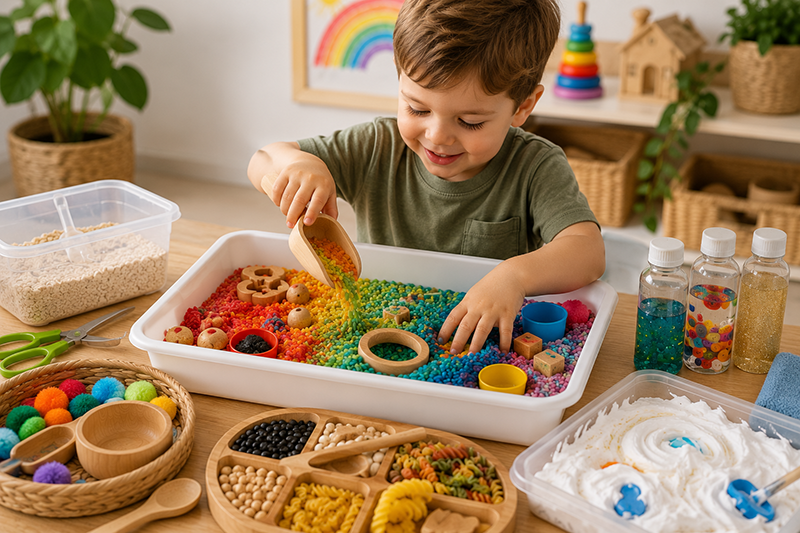
Parents and caregivers often assume that creating engaging sensory activities requires expensive toys or specialised equipment. However, some of the best sensory experiences can be created using everyday household items. These easy sensory activities using household items provide children with valuable opportunities to explore, learn and develop essential skills while having fun.
Whether you are a parent, teacher, therapist or homeschooling family in South Africa, these simple sensory activities can support your child’s development without breaking the budget.
Why Sensory Activities Are Important for Child Development
Sensory play helps children explore the world through touch, sight, sound, smell and movement. Through sensory experiences, children develop important cognitive, emotional, social and physical skills.
Regular sensory activities help children:
- Develop fine motor skills
- Improve concentration
- Build problem-solving abilities
- Support language development
- Encourage creativity
- Strengthen emotional regulation
- Improve sensory processing skills
The best part is that many effective sensory activities can be created using items already available at home.
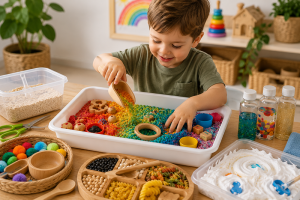
1. Rainbow Rice Sensory Bin
One of the easiest sensory activities using household items is a rice sensory bin.
What You Need:
- Uncooked rice
- Food colouring
- Plastic containers
- Spoons and cups
- Small toys
Allow children to scoop, pour, sort and explore different textures while developing hand-eye coordination and fine motor skills.
2. Water Transfer Station
Water play provides endless opportunities for learning.
What You Need:
- Bowls or buckets
- Cups
- Funnels
- Measuring spoons
- Plastic bottles
Children learn concepts such as volume, cause and effect, and problem-solving while improving motor control.
3. Homemade Playdough Activity
Homemade playdough remains one of the most effective sensory activities for preschoolers.
What You Need:
- Flour
- Salt
- Water
- Vegetable oil
- Food colouring
Encourage children to roll, squeeze, pinch and shape the dough to strengthen hand muscles required for writing skills.
4. Pasta Threading Activity
This simple activity supports concentration and fine motor development.
What You Need:
- Dry pasta tubes
- String or shoelaces
Children can create patterns, count pieces and develop bilateral coordination skills.
5. Shaving Foam Sensory Tray
Shaving foam creates a fun tactile experience that children love.
What You Need:
- Shaving foam
- Large tray
- Plastic letters or shapes
Children can draw shapes, practise letter formation and explore textures while developing pre-writing skills.
6. Nature Treasure Hunt
South Africa’s beautiful outdoor spaces provide endless sensory opportunities.
What You Need:
- Basket or container
- Leaves
- Stones
- Flowers
- Pinecones
- Sticks
Encourage children to collect natural objects and discuss their textures, colours and smells.
7. Kitchen Sound Exploration
Sound play helps develop auditory processing skills.
What You Need:
- Pots
- Wooden spoons
- Containers
- Rice or beans
Allow children to create different sounds and explore rhythm, volume and patterns.
8. Frozen Toy Rescue Activity
Children enjoy problem-solving activities that challenge their thinking skills.
What You Need:
- Small toys
- Water
- Ice trays
- Warm water
- Spoons
Freeze toys overnight and encourage children to discover different ways to free them safely.
9. Sensory Bottle Exploration
Sensory bottles provide calming sensory experiences.
What You Need:
- Empty plastic bottles
- Water
- Glitter
- Food colouring
- Beads or buttons
These bottles can help children regulate emotions and improve focus.
10. Oats and Scoop Station
A simple pantry activity can provide hours of sensory exploration.
What You Need:
- Dry oats
- Cups
- Measuring spoons
- Small containers
Children develop fine motor skills, concentration and mathematical concepts while playing.
Tips for Successful Sensory Play at Home
When creating sensory activities at home, remember to:
- Supervise young children at all times.
- Use age-appropriate materials.
- Allow children to explore freely.
- Focus on the process rather than the outcome.
- Encourage conversation and creativity.
- Accept that some activities may become messy.
Messy learning experiences often create the most meaningful developmental opportunities.
Creating Meaningful Learning Experiences Through Sensory Play
Sensory play does not need to be complicated or expensive. By using everyday household items, parents and educators can create valuable learning experiences that support children’s cognitive, physical and emotional development.
If you would like advice on sensory products, sensory room equipment or educational play resources, visit the “Contact Forever Sensory Kids” page to connect with our team.
Conclusion
These easy sensory activities using household items demonstrate that powerful learning experiences can happen anywhere. By incorporating sensory play into everyday routines, parents and educators can help children build essential developmental skills while encouraging creativity, confidence and curiosity.