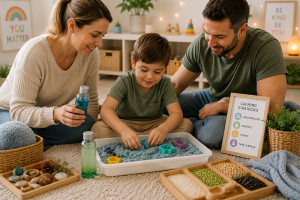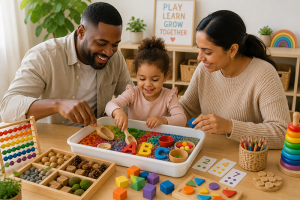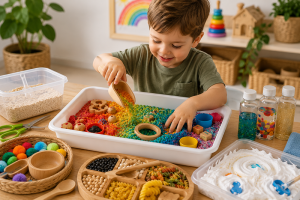
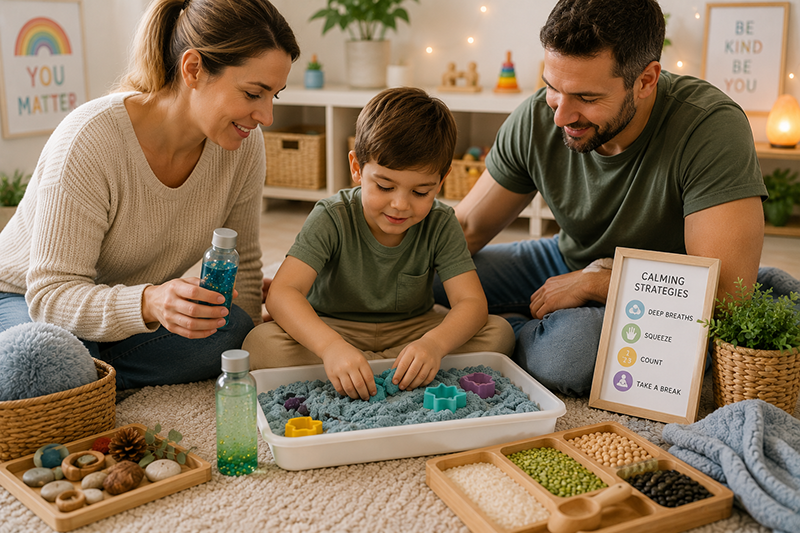
Many children experience the world differently. For children with additional needs, sensory processing challenges, anxiety or emotional regulation difficulties, everyday environments can sometimes feel overwhelming. Fortunately, calming sensory activities for children with additional needs can help children regulate emotions, reduce stress and feel more secure.
Whether you are a parent, caregiver, therapist, teacher or homeschooling family in South Africa, creating calming sensory experiences at home or in the classroom can support children’s wellbeing and development.
In this guide, we explore practical, affordable and effective calming sensory activities that can help children feel safe, focused and emotionally balanced.
Why Calming Sensory Activities Are Important
Children process sensory information through their senses, including touch, sound, movement, sight, smell and body awareness. Some children may become overwhelmed by sensory input, while others may actively seek sensory experiences.
Calming sensory activities can help children:
- Regulate emotions
- Reduce anxiety
- Improve concentration
- Support self-regulation
- Build confidence
- Improve sleep routines
- Encourage emotional wellbeing
Importantly, every child experiences sensory input differently, so it is helpful to explore various activities to determine what works best.
Understanding Sensory Regulation
Sensory regulation refers to a child’s ability to manage and respond appropriately to sensory information.
Signs that a child may benefit from calming sensory activities include:
- Difficulty focusing
- Emotional outbursts
- Restlessness
- Sensitivity to sound, touch or light
- Anxiety in new environments
- Difficulty transitioning between activities
Providing calming sensory experiences can help children feel more regulated and comfortable.
1. Sensory Rice Bins
Soft sensory bins filled with rice provide calming tactile input.
Try adding:
- Wooden scoops
- Small bowls
- Natural materials
- Soft figurines
The repetitive movements of scooping and pouring can help reduce stress and improve focus.
2. Playdough Activities
Playdough provides excellent proprioceptive input through squeezing, rolling and stretching.
Benefits include:
- Improved hand strength
- Reduced anxiety
- Better concentration
- Emotional regulation support
3. Water Play Activities
Water naturally provides calming sensory experiences.
Try using:
- Water trays
- Funnels
- Measuring cups
- Floating toys
Many children find water play soothing and relaxing.
4. Weighted Lap Cushions
Weighted sensory items provide deep pressure input that may help children feel secure and calm.
These can be used:
- During learning activities
- While reading
- During transitions
- Before bedtime routines
5. Sensory Bottles
Sensory bottles create visual calming experiences.
Fill bottles with:
- Water
- Glitter
- Beads
- Sequins
- Food colouring
Encourage children to shake and slowly observe the movement inside.
6. Kinetic Sand Play
Kinetic sand combines tactile exploration with calming repetitive movement.
Children enjoy:
- Moulding
- Pressing
- Digging
- Building
This activity supports both creativity and relaxation.
7. Nature Sensory Walks
South Africa’s natural environment offers many opportunities for calming sensory experiences.
Encourage children to:
- Feel leaves
- Listen to birds
- Walk barefoot on grass
- Collect stones
- Observe clouds
Nature provides gentle sensory stimulation that often supports emotional wellbeing.
8. Bubble Play
Watching bubbles float and pop can be incredibly calming.
Bubble activities support:
- Visual tracking
- Breathing control
- Focus
- Relaxation
9. Quiet Sensory Corners
Create a dedicated calming space with:
- Soft cushions
- Weighted blankets
- Sensory toys
- Dim lighting
- Favourite books
A quiet sensory corner provides children with a safe space for self-regulation.
10. Finger Painting
Many children find finger painting therapeutic and calming.
This activity supports:
- Creative expression
- Emotional processing
- Sensory exploration
- Fine motor development
11. Gentle Movement Activities
Slow movement activities can support sensory regulation.
Examples include:
- Yoga
- Stretching
- Rocking
- Balance exercises
12. Soft Fabric Exploration
Provide opportunities to explore different textures such as:
- Fleece
- Cotton
- Velvet
- Faux fur
Texture exploration helps children identify sensory preferences.
13. Calm Music and Sound Activities
Soft background sounds may support emotional regulation.
Consider:
- Nature sounds
- Gentle instrumental music
- White noise
- Rain sounds
14. Deep Breathing Games
Breathing activities help children develop self-regulation skills.
Try:
- Blowing bubbles
- Pinwheels
- Feather races
- Breathing cards
15. Sensory Story Time
Combine storytelling with sensory experiences.
Include:
- Textured objects
- Visual supports
- Sound effects
- Movement activities
This creates engaging and calming learning experiences.
Creating a Sensory-Friendly Environment at Home
Every child has unique sensory needs. Observe which activities help your child feel calm, focused and secure.
When introducing calming sensory activities:
- Introduce one activity at a time.
- Follow your child’s interests.
- Avoid overstimulation.
- Create predictable routines.
- Celebrate small successes.
Remember that sensory support is not about changing children but about helping them feel safe and regulated.
Conclusion: Calming Sensory Activities for Children with Additional Needs
Calming sensory activities for children with additional needs can provide valuable support for emotional regulation, learning and wellbeing. By creating sensory-friendly experiences at home, in therapy or in educational settings, parents and caregivers can help children develop confidence, resilience and self-regulation skills.
If you would like advice on sensory products, calming sensory spaces or educational resources, visit the “Contact Forever Sensory Kids” page for expert support.