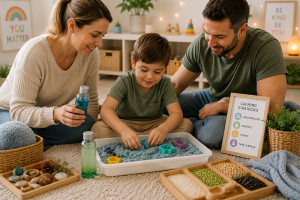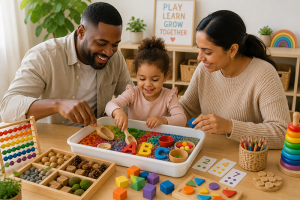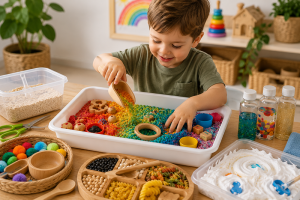
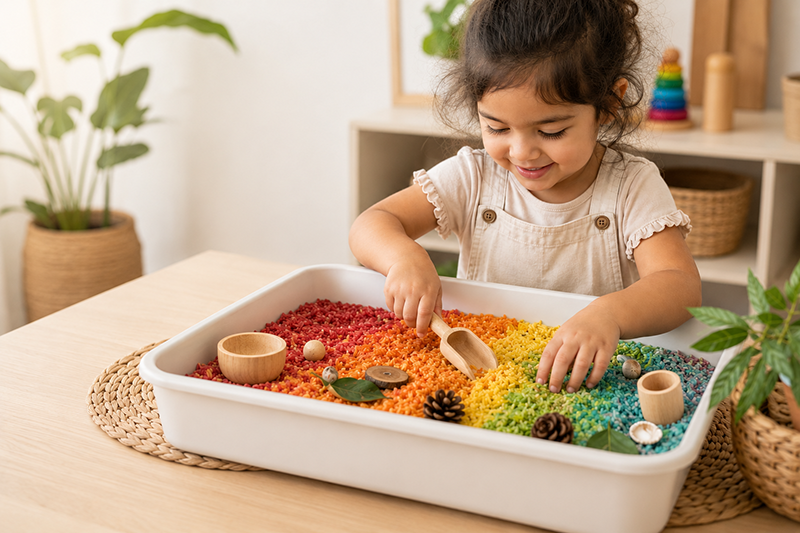
Children learn best when they actively explore the world around them. One of the most effective ways to support healthy development is through messy play. Understanding why messy play is important for brain development can help parents, teachers and caregivers create meaningful learning experiences that support children’s cognitive, emotional and physical growth.
From squishing playdough to exploring mud kitchens and sensory bins, messy play provides children with opportunities to learn through hands-on experiences while having fun.
What Is Messy Play?
Messy play involves activities that encourage children to explore different textures, materials and sensory experiences freely. These activities often include water, sand, paint, slime, foam, rice, mud, dough and natural materials.
Although messy play may seem chaotic, it creates valuable opportunities for children to develop essential skills that support lifelong learning.
Why Is Messy Play Important for Brain Development?
Brain development during early childhood occurs rapidly. Every new sensory experience helps build neural connections that support learning, memory, emotional regulation and problem-solving.
When children participate in sensory activities, they activate multiple areas of the brain simultaneously. This process strengthens neural pathways and encourages healthy cognitive development.
Sensory Experiences Build Neural Connections
Every touch, squeeze, pour and scoop helps children process sensory information more effectively. Repeated sensory experiences strengthen the brain’s ability to interpret information from the environment.
For example, when a child pours water between containers, they develop:
- Hand-eye coordination
- Concentration skills
- Problem-solving abilities
- Cause-and-effect understanding
- Spatial awareness
These experiences create strong foundations for future academic learning.
Messy Play Supports Emotional Development
Children often experience big emotions that they cannot yet express verbally. Sensory play provides a safe and calming outlet for emotional expression.
Activities such as playing with kinetic sand, sensory dough or water trays can help children:
- Reduce stress and anxiety
- Improve emotional regulation
- Develop self-confidence
- Build resilience
- Increase feelings of calm and security
This benefit makes sensory play especially valuable for children with additional sensory or emotional needs.
How Messy Play Develops Fine Motor Skills
Fine motor development plays a crucial role in preparing children for everyday tasks and school readiness.
Messy play activities strengthen the small muscles in children’s hands and fingers through activities such as:
- Squeezing playdough
- Pinching pom-poms
- Pouring rice or beans
- Using scoops and tongs
- Painting with brushes or fingers
Strong fine motor skills support future abilities such as writing, cutting, dressing independently and using classroom tools effectively.
Messy Play Encourages Language Development
Children naturally communicate while exploring sensory materials. Parents, teachers and therapists can use these opportunities to expand vocabulary and encourage conversation.
During sensory play, children learn descriptive words such as:
- Sticky
- Smooth
- Rough
- Soft
- Heavy
- Light
- Wet
- Dry
As children describe their experiences, they develop communication skills, listening abilities and language comprehension.
Easy Messy Play Activities to Try at Home
You do not need expensive equipment to support brain development through sensory play. Many effective activities use everyday household items.
Rainbow Rice Sensory Bin
Fill a container with coloured rice and add:
- Cups
- Scoops
- Funnels
- Small toys
Children can practise sorting, pouring and imaginative play.
Mud Kitchen Play
Create a simple outdoor mud kitchen using:
- Pots and pans
- Wooden spoons
- Water
- Soil
- Leaves and flowers
This activity encourages creativity, sensory exploration and social interaction.
Homemade Playdough
Making and using playdough helps develop:
- Fine motor skills
- Creativity
- Problem-solving abilities
- Hand strength
Children also enjoy participating in the preparation process.
Supporting South African Families Through Sensory Play
Many South African parents, teachers and homeschooling families are looking for affordable and educational activities that support child development. Sensory play provides a cost-effective way to encourage learning while creating meaningful family experiences.
Natural materials such as sand, water, leaves, stones and recycled household items can all become powerful learning tools.
If you would like guidance on choosing sensory resources or creating sensory-rich learning experiences, you can contact the team at Forever Sensory Kids through the “Contact Forever Sensory Kids” page.
Conclusion: Why Messy Play Is Important for Brain Development
Understanding why messy play is important for brain development allows parents and educators to create experiences that support children’s learning, emotional wellbeing and overall development.
By encouraging sensory exploration through play, you help children build stronger neural connections, develop essential life skills and discover the joy of learning through hands-on experiences.